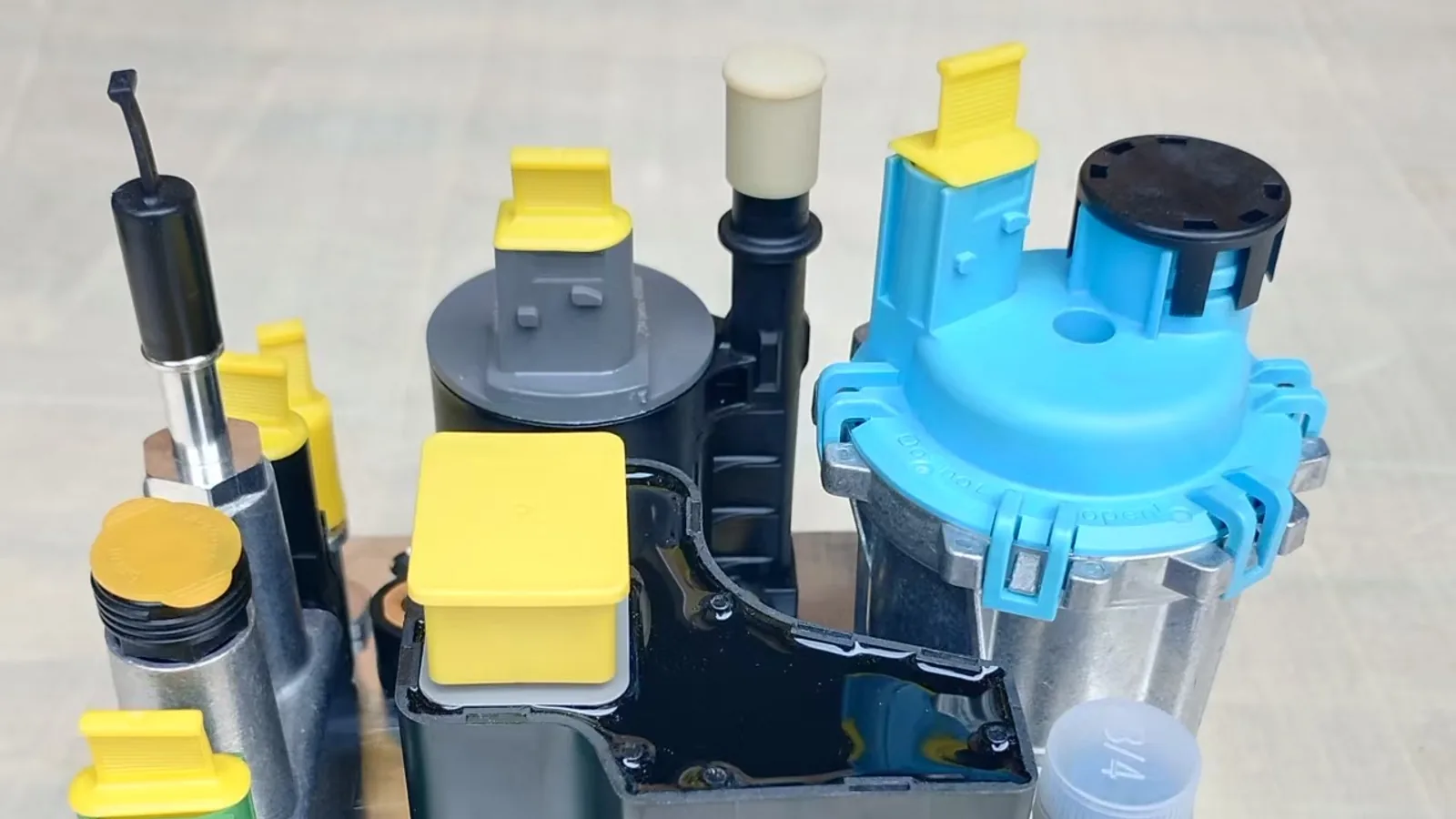
What the Urea Pump Does
The urea supply pump, often called an AdBlue or DEF pump, moves the reduction agent from the tank to the dosing module at the pressure and flow required by the vehicle's SCR strategy. The pump is only one part of a controlled system that can also include heaters, filters, pressure sensing, a dosing valve, temperature and NOx sensors, and a dedicated or integrated control unit.
Bosch's Denoxtronic system description explains that sensor and engine data are used to coordinate the dosing components. That is why an SCR efficiency or reductant-system code does not, by itself, prove the pump is defective.
Diagnose the System Before Replacing the Pump
1. Record the exact vehicle and fault context
Capture the VIN, engine, emissions level, ECU or dosing-control software, active and history codes, freeze-frame data, warning sequence, ambient conditions, and previous repairs. Use the OEM code definition and test plan for that software version.
System-level codes can be caused by fluid quality, wiring, pressure sensing, blocked lines, a dosing valve, NOx or temperature sensing, catalyst performance, or control conditions. Do not convert a generic internet code description into a pump order.
2. Check the reduction agent and fluid path
ISO 22241-1 specifies quality characteristics for AUS 32 used in automotive SCR systems. Inspect for contamination, incorrect fluid, crystallized deposits, damaged caps or seals, and unsuitable storage practices. Follow the OEM method and approved tool if fluid quality must be measured.
Inspect the tank pickup, filter, hoses, connectors, and dosing line for blockage, leakage, incorrect routing, or cross-connection. Service intervals and filter arrangements vary by platform; use the vehicle maintenance schedule rather than a universal mileage rule.
3. Confirm electrical supply and communication
Before bench or on-vehicle output testing, verify battery and charging condition, supply voltage under load, ground voltage drop, fuse and relay state, connector pin condition, harness continuity, and network communication where applicable. A pump motor or heater code can originate outside the pump.
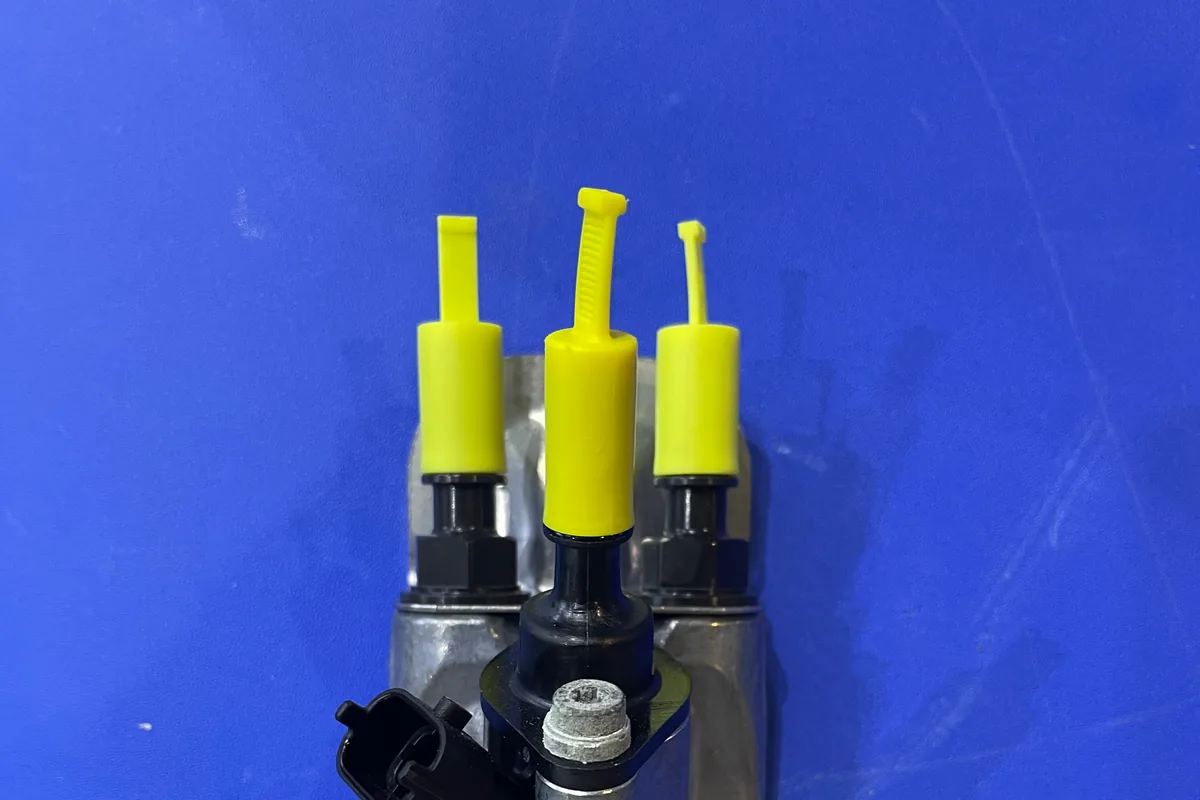
4. Test against the correct pump-family specification
Pressure, flow, current draw, heater behavior, prime time, leakage, and return-flow requirements vary between pump generations. Use the OE procedure, rated voltage, specified fluid or test medium, temperature condition, and calibrated equipment. A broad pressure range collected from unrelated systems is not a valid pass criterion.
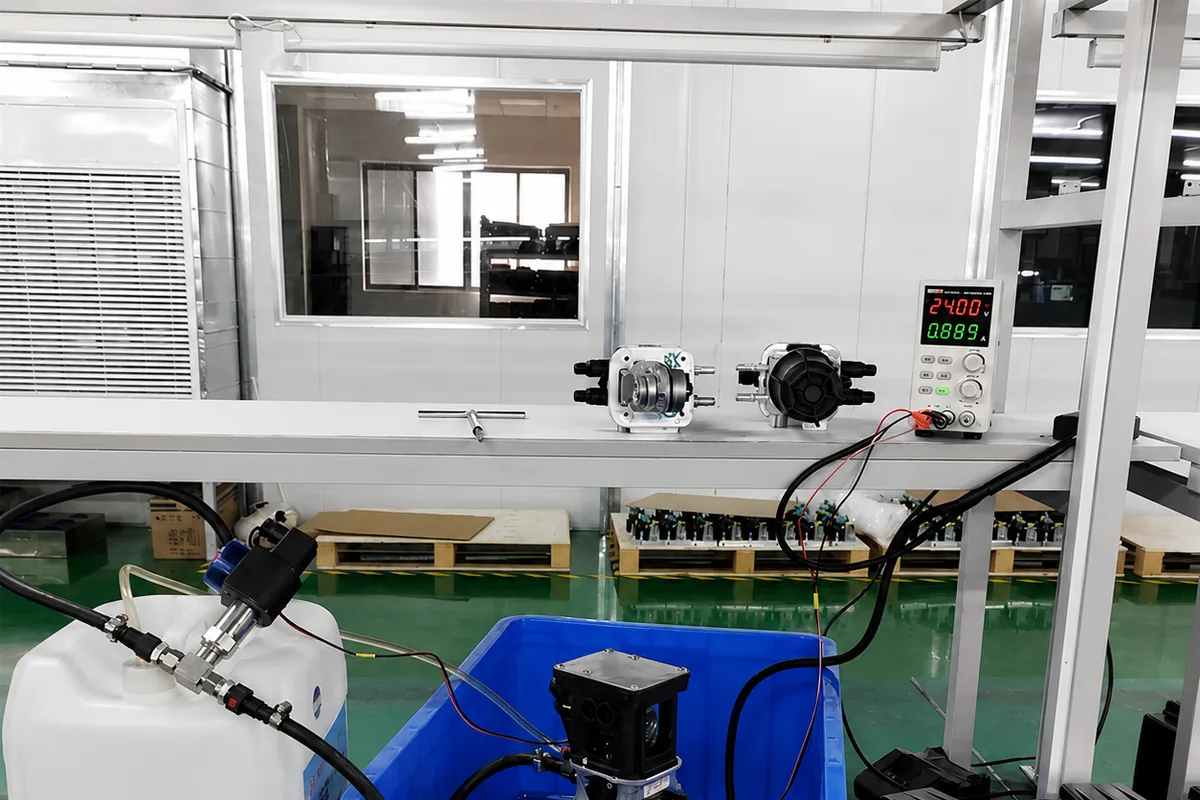
Bosch's own Denoxtronic training describes functional and leak testing with dedicated benches and diagnostic equipment. Buyers should therefore ask what was measured, under which conditions, and against which revision of the test specification.
Replacement Matching Checklist
Match more than the outer shape:
- full OE or supplier part number and revision;
- vehicle, engine, emissions calibration, and VIN applicability;
- supply voltage and electrical connector keying;
- pressure, flow, and control architecture;
- number, size, and function of fluid ports;
- mounting pattern and installation orientation;
- integrated filter, heater, sensor, or control functions;
- required initialization, priming, bleeding, or adaptation procedure.
Where a cross-reference is used, request its source and the exact supersession chain. "Physically fits" does not establish calibrated compatibility.
Batch Evidence for Procurement
For a sample or production lot, request:
- product identity and drawing or specification revision;
- test equipment identification and calibration status;
- test voltage, temperature, medium, and connection arrangement;
- measured pressure, flow, current, leakage, and functional results required by the specification;
- sampling plan and batch traceability;
- packaging and storage controls that keep ports clean and sealed.
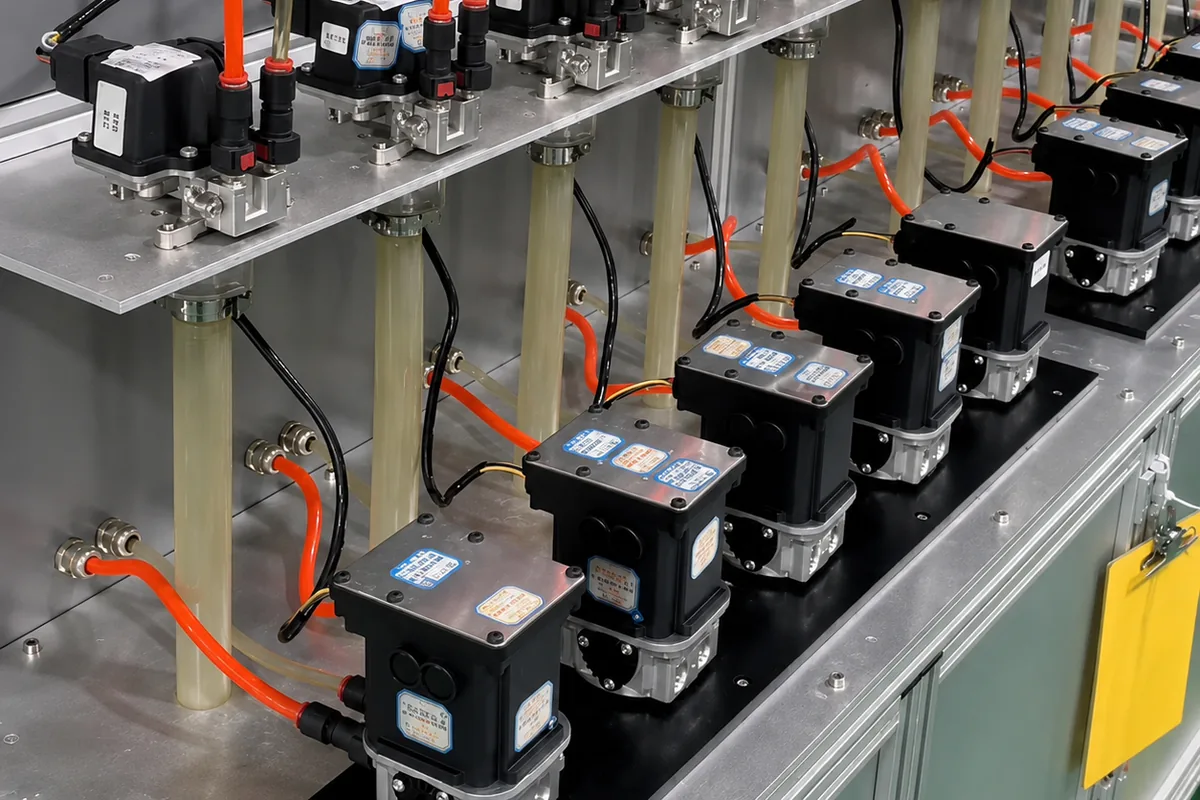
Installation and Commissioning
- Keep all protective caps in place until connection.
- Prevent dirt, water, oil, and incompatible chemicals from entering the fluid circuit.
- Confirm line routing and connector locks before powering the system.
- Follow the OEM prime, bleed, leak-check, adaptation, and code-clear procedure.
- Verify commanded versus actual data and complete the required road or stationary confirmation test.
- Recheck the original root cause so the replacement is not damaged by contamination, wiring, or a blocked dosing circuit.
Guanda can review an OE reference and supplied vehicle information for sourcing support, but final compatibility should be confirmed against the vehicle manufacturer's current parts and service data. View aftertreatment products.
Technical References
- ISO 22241-1:2019, AUS 32 quality requirements — ISO
- Denoxtronic dosing control unit and system inputs — Bosch Mobility
- Denoxtronic system function and component roles — Bosch Mobility
- Denoxtronic repair and bench-testing training scope — Bosch Aftermarket
- Aftertreatment system inspection checklist — Cummins