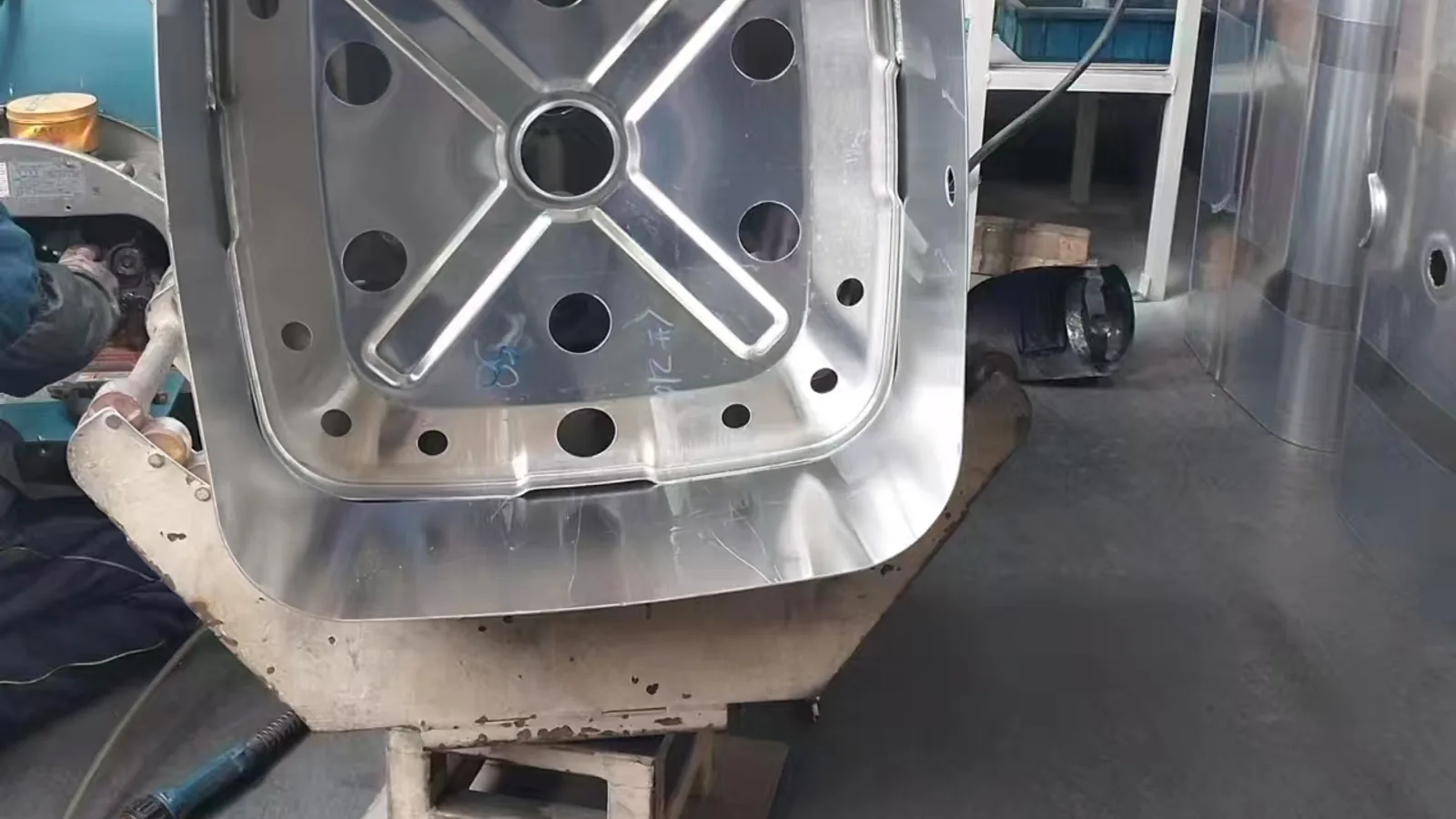
Metal tanks are drawing-controlled parts. A tank that looks correct can still be wrong in port position, internal baffling, mounting geometry, material condition, weld acceptance level, or test documentation. Buyers therefore need a verification package, not only a capacity and a photograph.
This guide separates the checks for air reservoirs, fuel tanks, and custom welded assemblies. The applicable regulation and test pressure depend on the tank's service, vehicle, and destination market, so no single wall thickness or pressure multiplier should be applied to every design.
Start With the Tank's Function
Air reservoirs
Air reservoirs store compressed air used by vehicle systems. Procurement inputs should identify the vehicle application, circuit function, nominal volume, maximum allowable pressure, port thread and orientation, drain arrangement, brackets, and required marking. Vehicle braking requirements may be governed by UN Regulation No. 13 or a market-specific equivalent, while the reservoir itself must also meet the product specification selected by the vehicle manufacturer.
Fuel and hydraulic tanks
Fuel and hydraulic tanks require fluid compatibility, usable volume, venting, sender and pickup geometry, baffle design, drainage, mounting loads, and corrosion protection to be defined. Requirements for a pressure reservoir must not be copied to an atmospheric fuel tank, and hazardous-goods installation rules should be reviewed separately with the vehicle approval authority.
Custom welded assemblies
Custom tanks should be purchased from an approved drawing. A physical sample is useful for comparison, but it does not replace controlled dimensions, tolerances, material notes, weld symbols, coating requirements, and inspection criteria.
Material and Drawing Verification
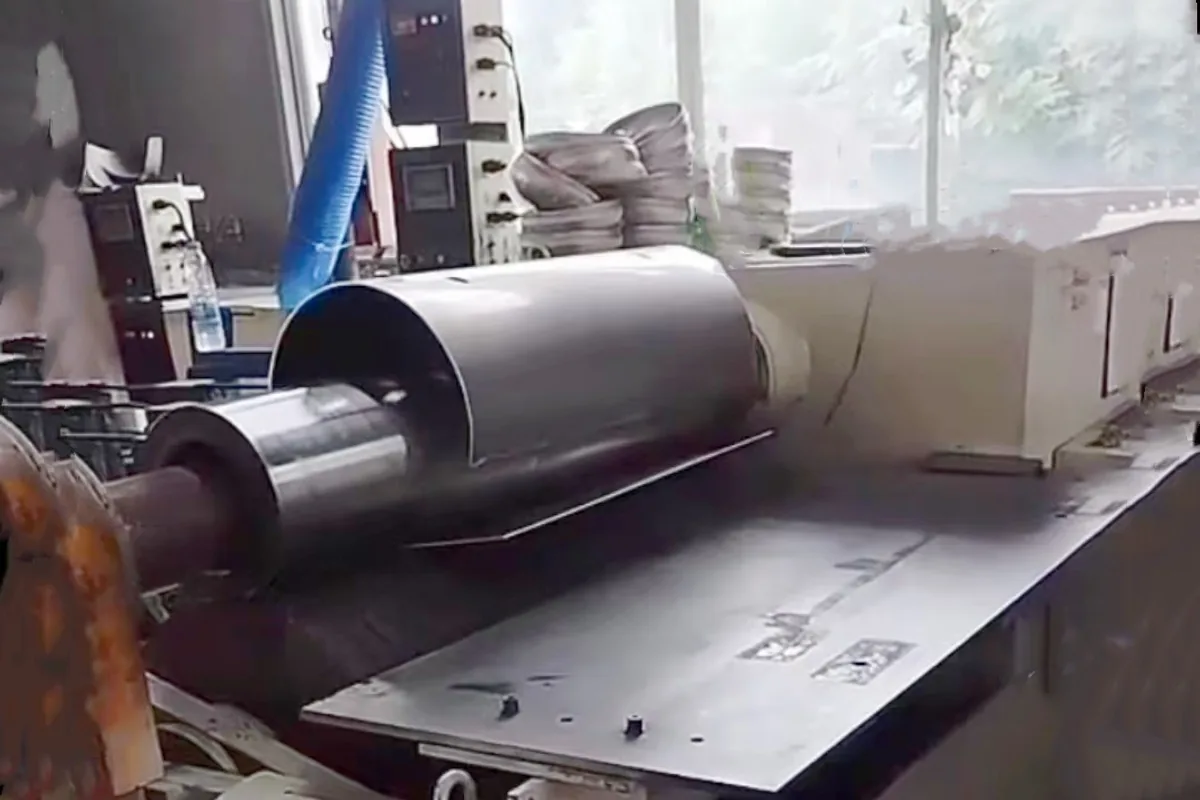
Request the material standard, grade, temper or delivery condition, and thickness on the drawing and mill certificate. "Aluminum" or "steel" alone is not a complete material specification. The buyer should also define whether thickness is nominal or minimum after forming.
ISO 2768-1 provides general tolerances for certain linear and angular dimensions when a drawing invokes it, but critical ports, brackets, sealing faces, and fit-up features should have explicit tolerances. Do not assume that a general tolerance class covers pressure-boundary or interface requirements.
Joining and Weld Evidence
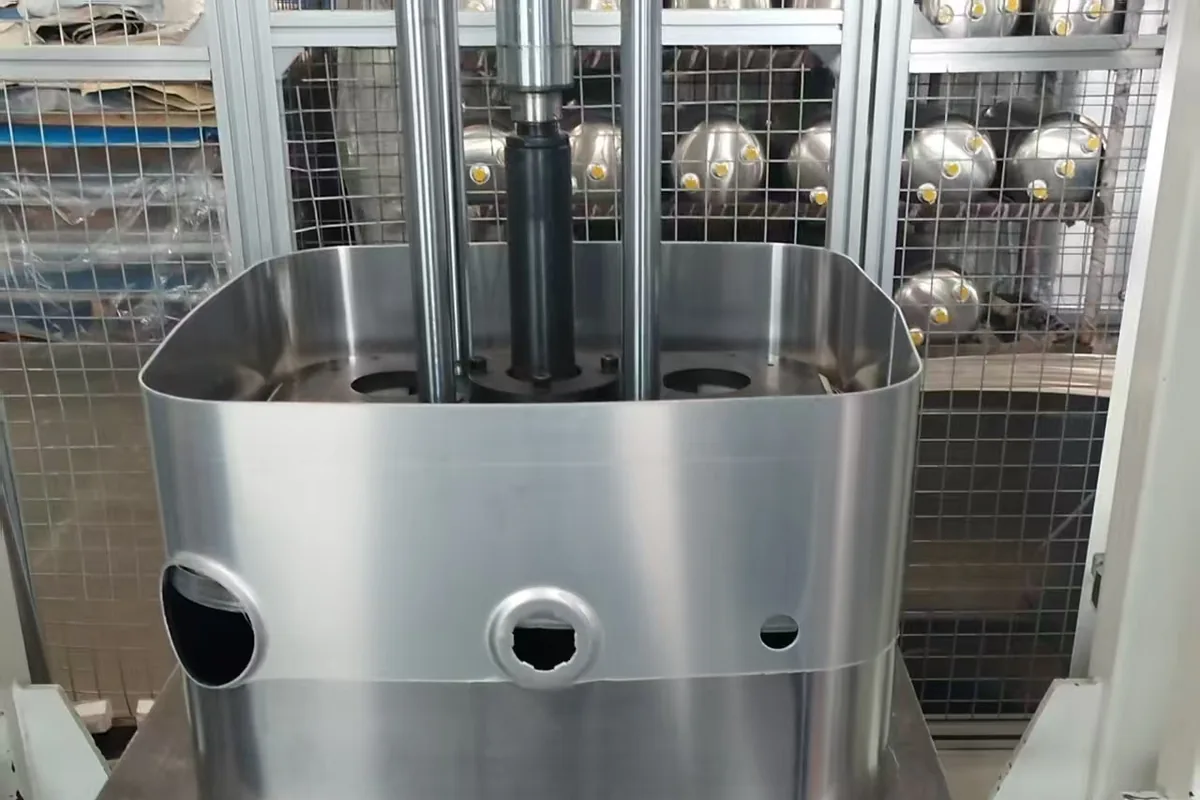
A buyer does not need to prescribe a welding process without understanding the design, but should request evidence that the supplier controls it:
- drawing weld symbols and acceptance criteria;
- welding procedure specification and relevant qualification records;
- welder or operator qualification where required by the contract;
- filler material and shielding-gas identification;
- visual inspection records and any specified non-destructive examination;
- repair and reinspection procedure.
The ISO 3834 series provides a framework for selecting fusion-welding quality requirements. For arc-welded aluminum joints, ISO 10042 defines quality levels for weld imperfections; the required level must be stated by the design or contract and should not be inferred from appearance alone.
Leak, Pressure, and Functional Testing
The approved drawing or product standard should define the test medium, pressure, hold time, acceptance criterion, equipment accuracy, safety controls, and sampling frequency. Ask for a report that links the result to the drawing revision and production batch.
For a pressure-containing part, separately identify:
- routine leak testing;
- proof or strength testing where required;
- destructive or cyclic qualification testing where required;
- calibration status of gauges and sensors;
- treatment of reworked units.
Do not accept a generic photograph of a gauge as proof that the ordered batch passed. The record should state the specified value, actual result, unit identification or batch, date, and inspector.
Coating and Corrosion Protection
Define coating by substrate preparation, coating system, dry-film thickness where relevant, color, appearance, cure, adhesion, and corrosion test requirement. Climate labels such as "marine grade" are not acceptance criteria. Exposure to road salt, fuel, hydraulic fluid, heat, and stone impact should be considered against the actual mounting location.
Buyer Document Checklist
- Approved drawing and revision
- Material certificate matched to the production batch
- First-article dimensional report for critical interfaces
- Welding procedure and qualification evidence required by the contract
- Leak or pressure test procedure and traceable results
- Coating specification and inspection record
- Marking, packaging, and corrosion-protection requirements
- Change-control agreement covering material, process, and sub-supplier changes
A supplier's capability should be judged from the consistency between drawing, material, process, and inspection records. Guanda supports drawing review, sample comparison, and supplier-document coordination for custom tank and reservoir sourcing. View metal tank products.
Further Reading
- Aluminum Air Reservoir Procurement Guide — a focused checklist for material, weld, port, pressure-test, and traceability evidence